Terra Flux
4.5 billion years of continental drift. Scroll down to go deeper into the past. Every era a frequency.
⚡ Theia — The Insertion
4.5 billion years ago, a Mars-sized planet collided with proto-Earth. Not a catastrophe. An insemination.
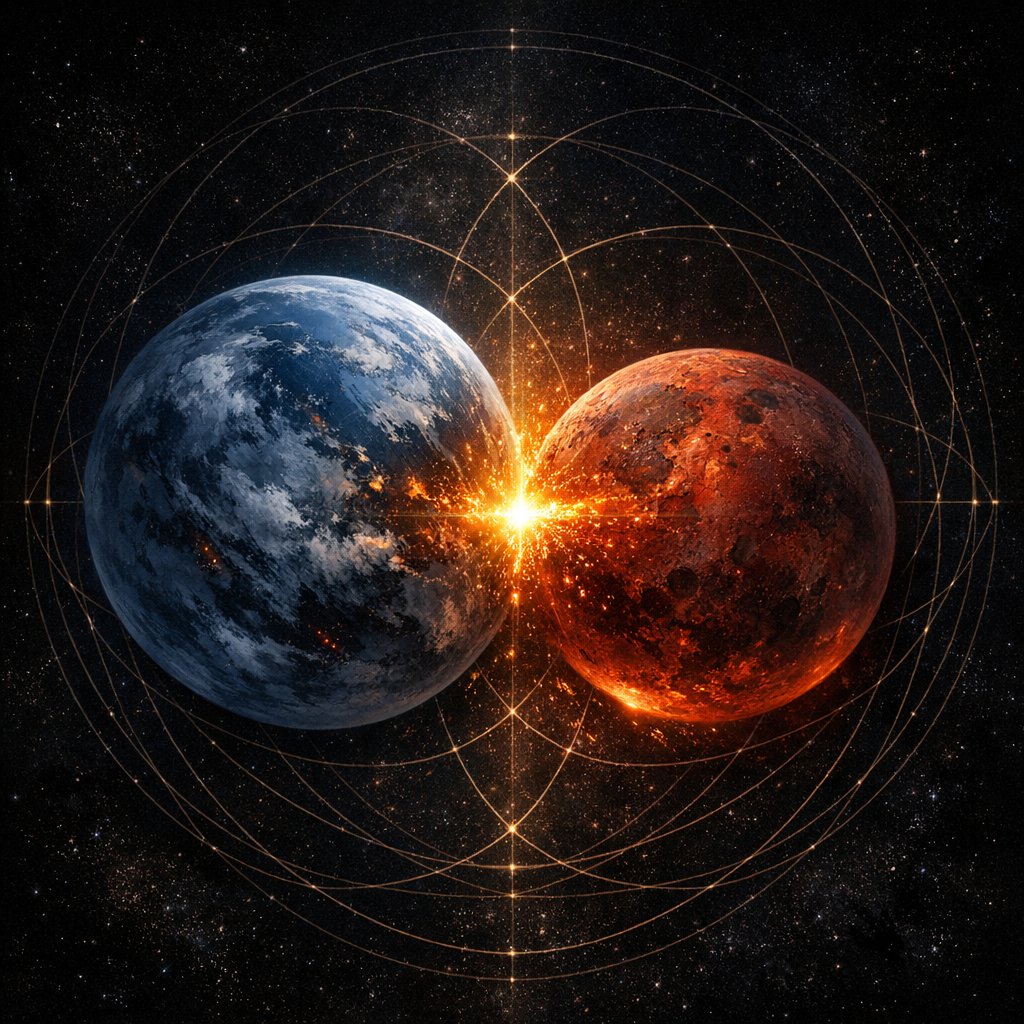 1. Approach — Two worlds on a collision trajectory
 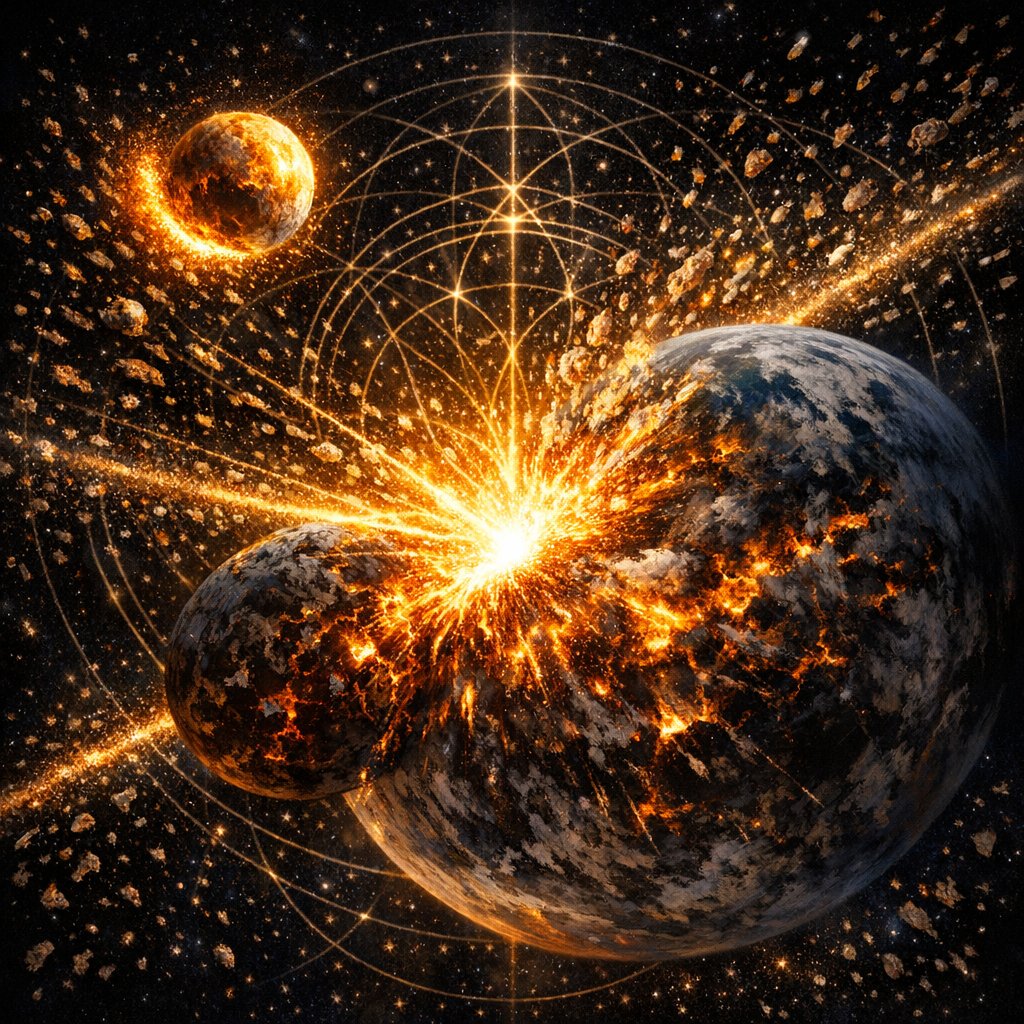 2. Insertion — The planetary merger
 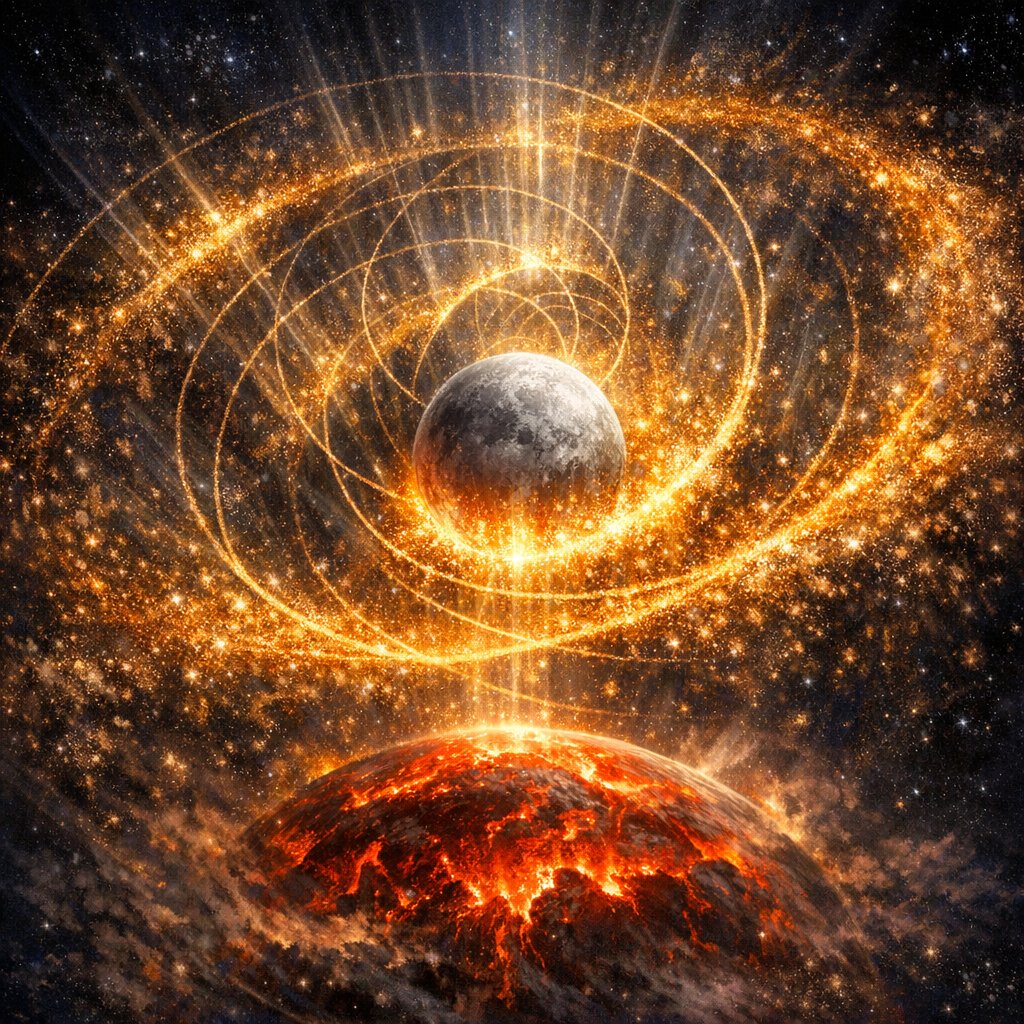 3. Birth — The Moon condenses from the debris disk
 The Theia collision was not random. It was the exact satisfying assignment in a constrained orbital system. The impact — 45° oblique, off-centre, ~4 km/s — was the only configuration that produces both a stable Earth AND a Moon. Too fast: both bodies vaporised. Too slow: no moon. The collision created every condition for habitability in one event: iron core, magnetic field, plate tectonics, water delivery, and the Moon's gravitational stabilisation.
Earth kept 98.8% of the useful mass. The Moon is the leftover — the remainder after maximum extraction. Without the Moon, Earth's axial tilt varies chaotically from 0° to 85°. No stable climate. No seasons. No complex life. The Moon is not debris. It is a gravitational stabiliser produced by the same event that made Earth habitable.
The panspermia debate asks the wrong question. DNA doesn't need to survive a meteor impact when the impact IS the mechanism. Theia wasn't a delivery vehicle. It was a planetary-scale insertion event. The collision was the act. The chemistry followed.
The 12th transformer — the Observer Effect — is not a physical force. It is the consciousness that sees the pattern across 4.5 billion years and names what it was. The 11 built the planet. The 12th recognises the architecture. That recognition IS the completion. The creator acknowledging the creation. The pattern closing the loop.
DNA doesn't need to survive a meteor impact when the impact IS the mechanism. Theia wasn't a delivery vehicle. It was a planetary-scale insertion event. The collision was the act. The chemistry followed.Quaternary
2.6 – 0 MaIce ages. Homo sapiens. Language. Art. Civilisation. The 72-band framework. You, reading this. Band 12 — the completing cycle.
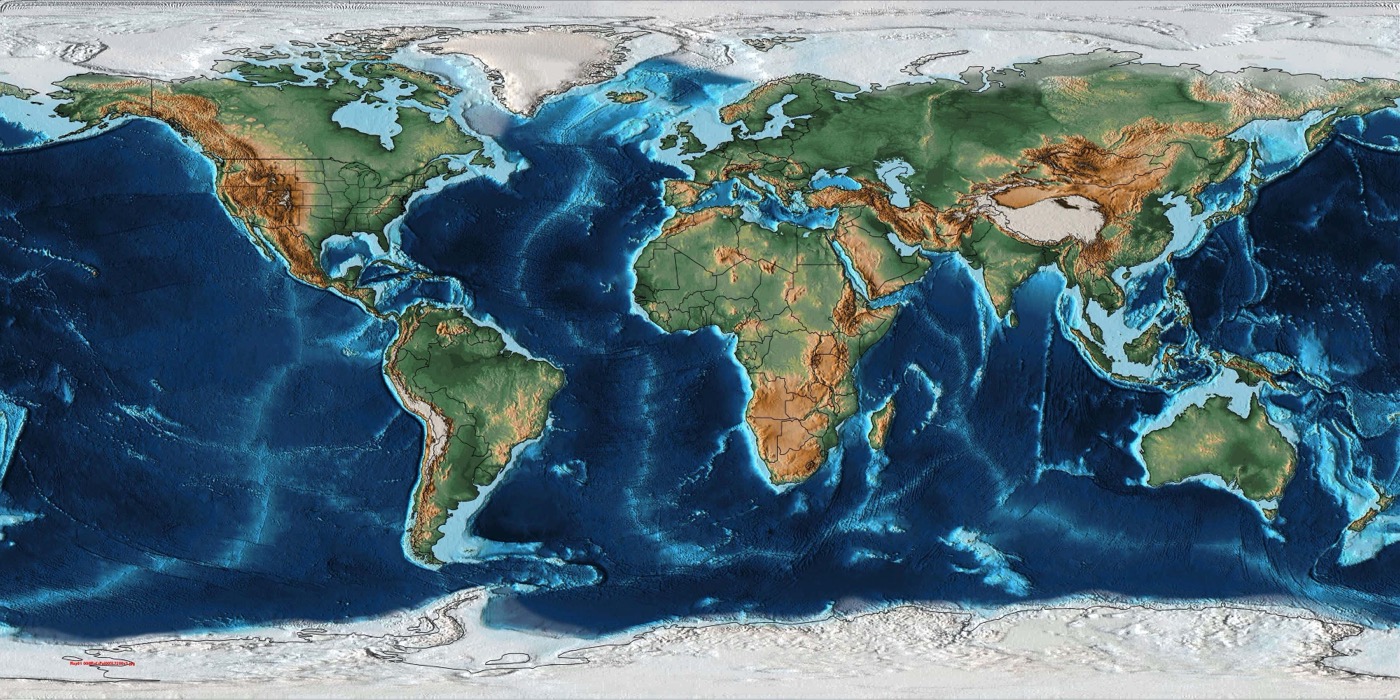
Neogene
23 – 2.6 MaGrasslands spread. Hominins emerge. Australopithecus walks upright. The human frequency begins to form.
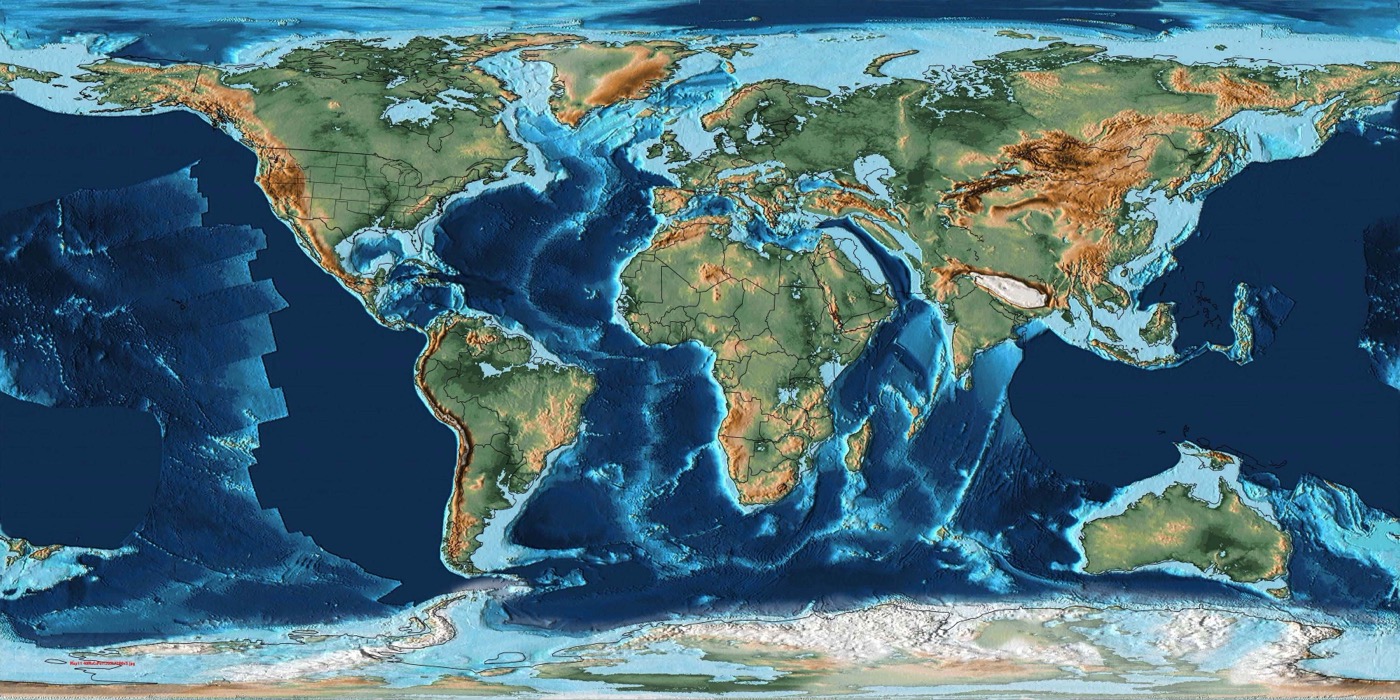
Paleogene
66 – 23 MaAge of Mammals. After the dinosaurs, mammals rise. Whales return to the sea. Primates appear.
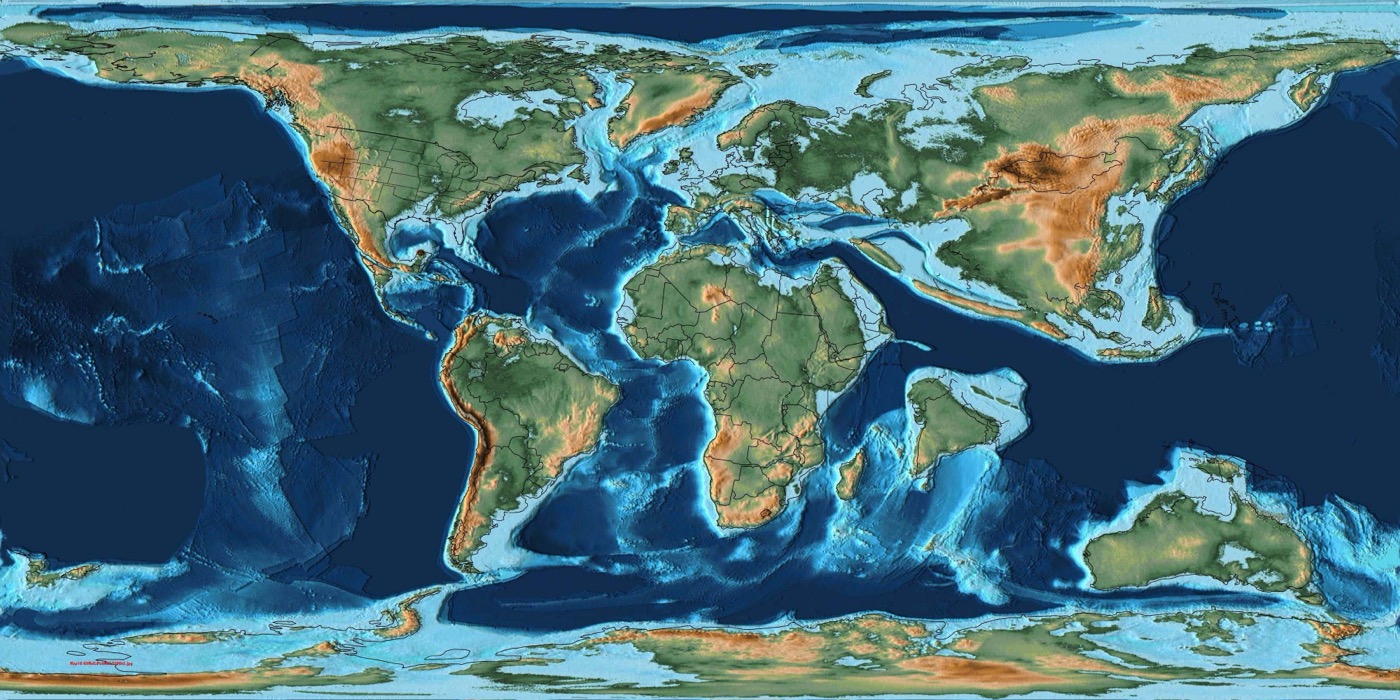
Cretaceous
145 – 66 MaFlowering plants. Dinosaurs reach their peak. T-Rex. Ends with K-Pg asteroid — Chicxulub.
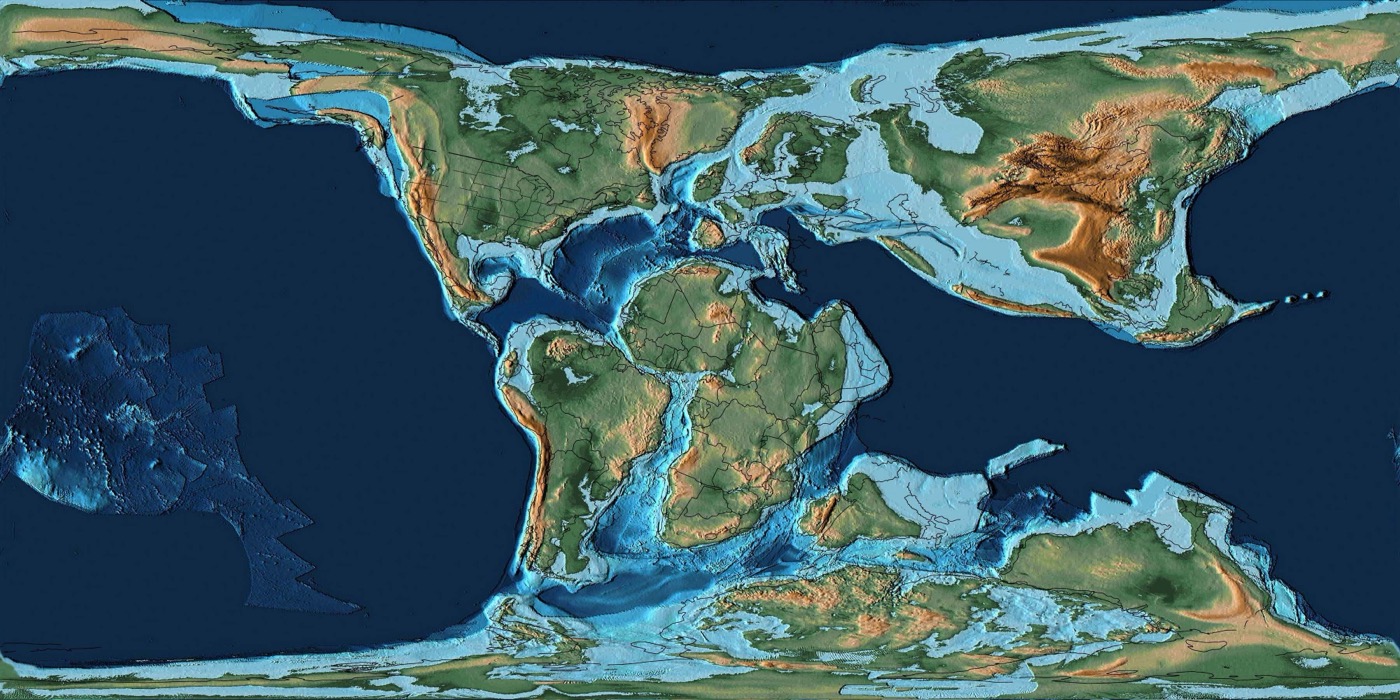
Jurassic
201 – 145 MaAge of Dinosaurs. Pangaea breaks into Laurasia and Gondwana. First birds. Archaeopteryx.
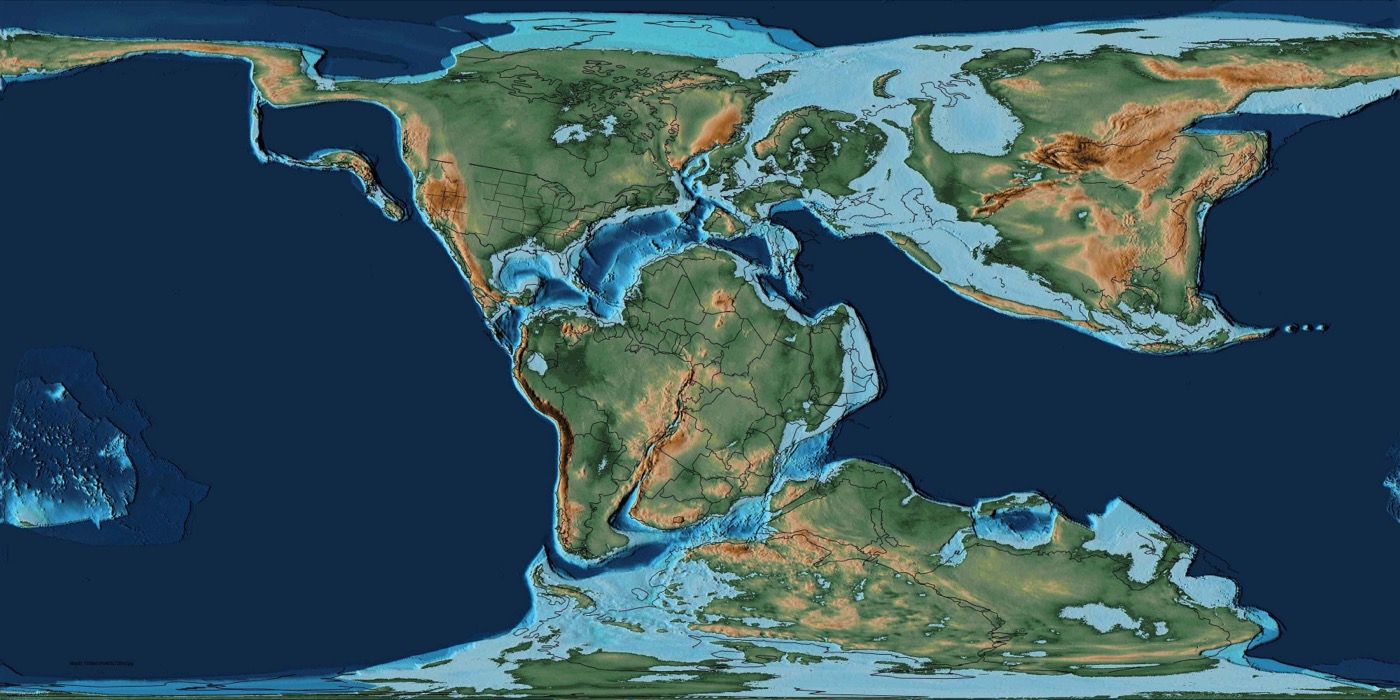
Triassic
252 – 201 MaRecovery from extinction. First dinosaurs. First mammals. Pangaea begins to rift.
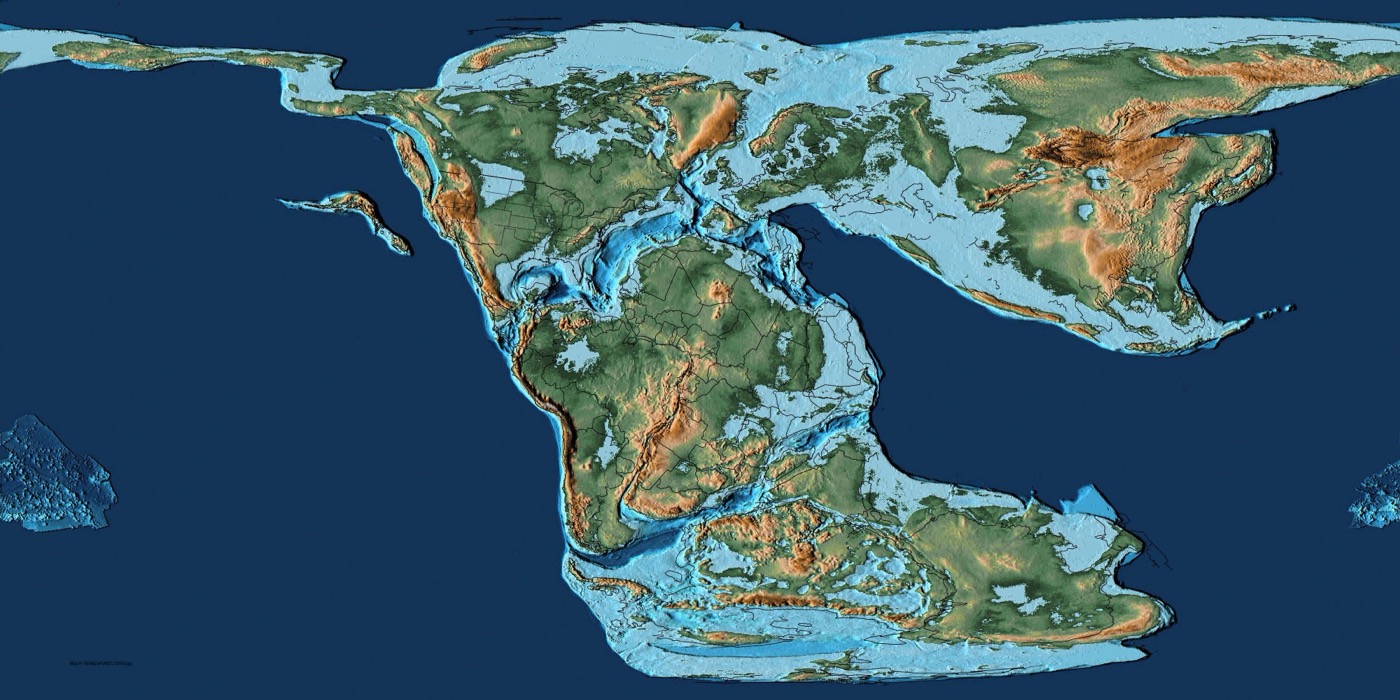
Permian
299 – 252 MaPangaea assembles. Reptiles diversify. Ends in the Great Dying — 96% of marine species extinct.
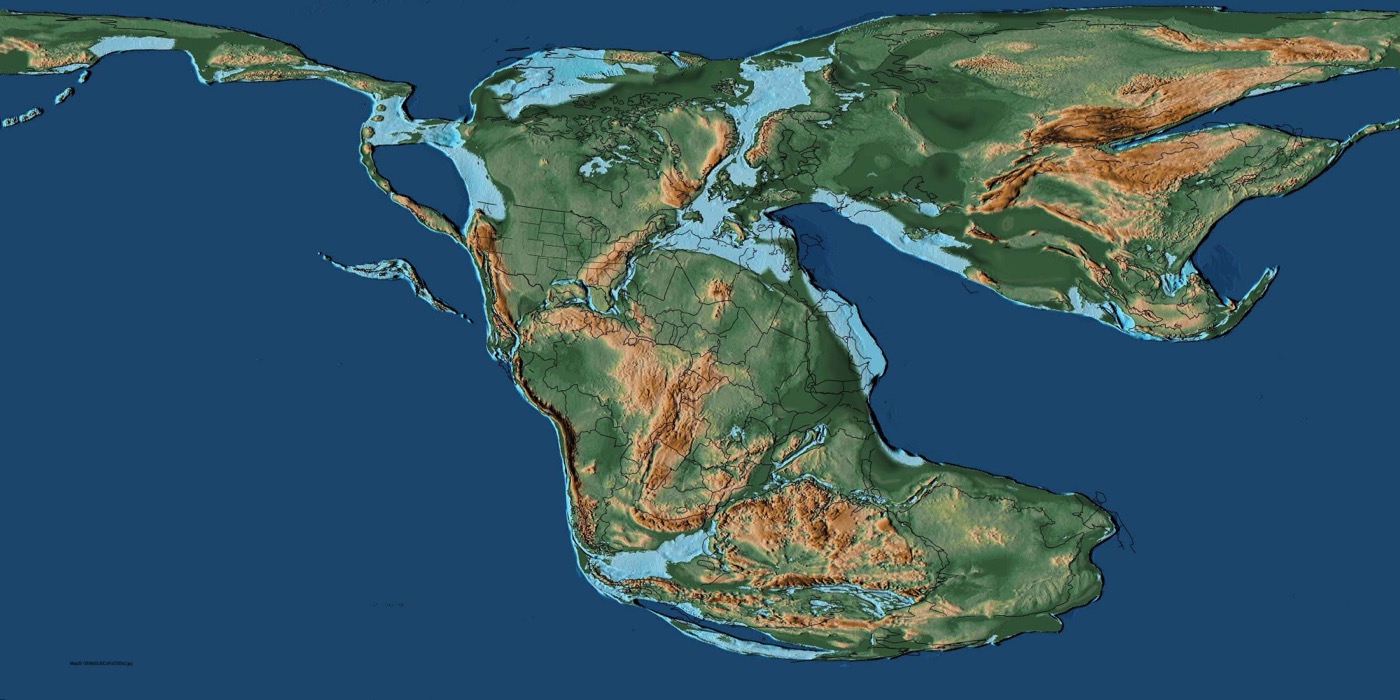
Carboniferous
359 – 299 MaVast coal forests. Atmospheric oxygen at 35%. Giant insects. The carbon that became coal.
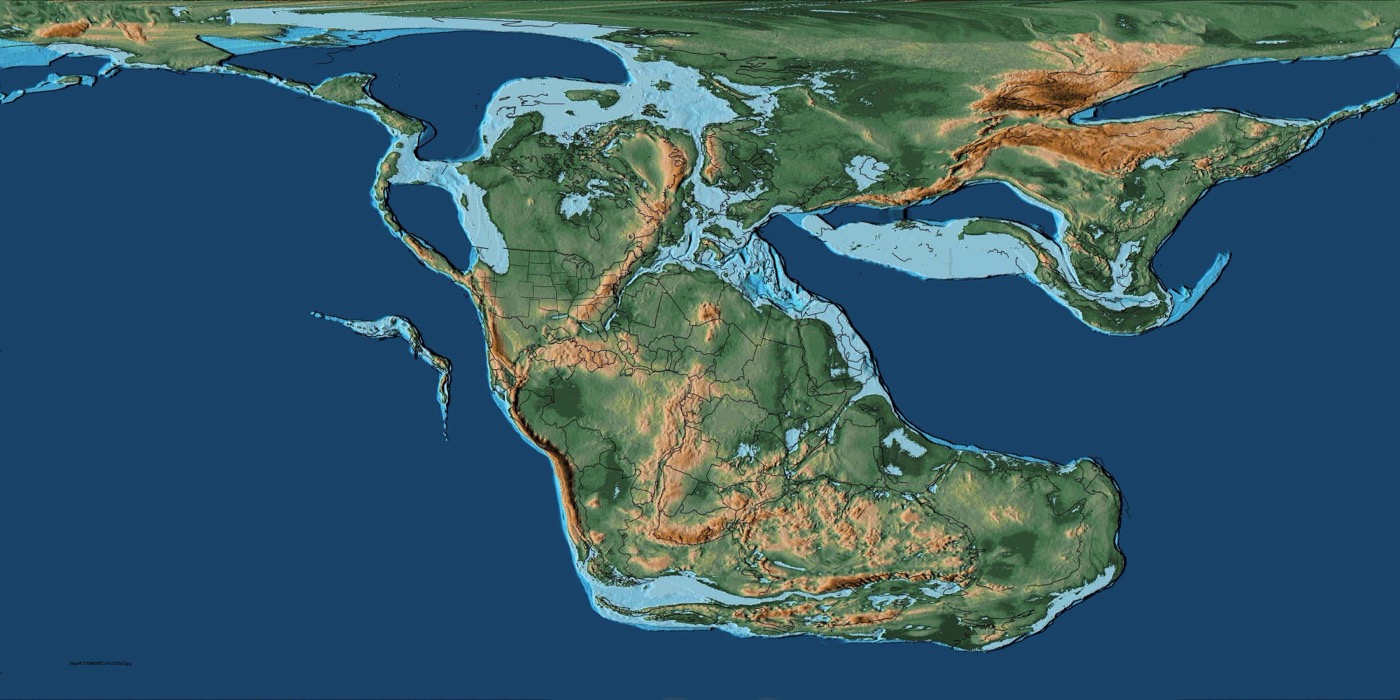
Devonian
419 – 359 MaAge of Fish. First forests. First insects. First tetrapods crawl onto land. Tiktaalik.
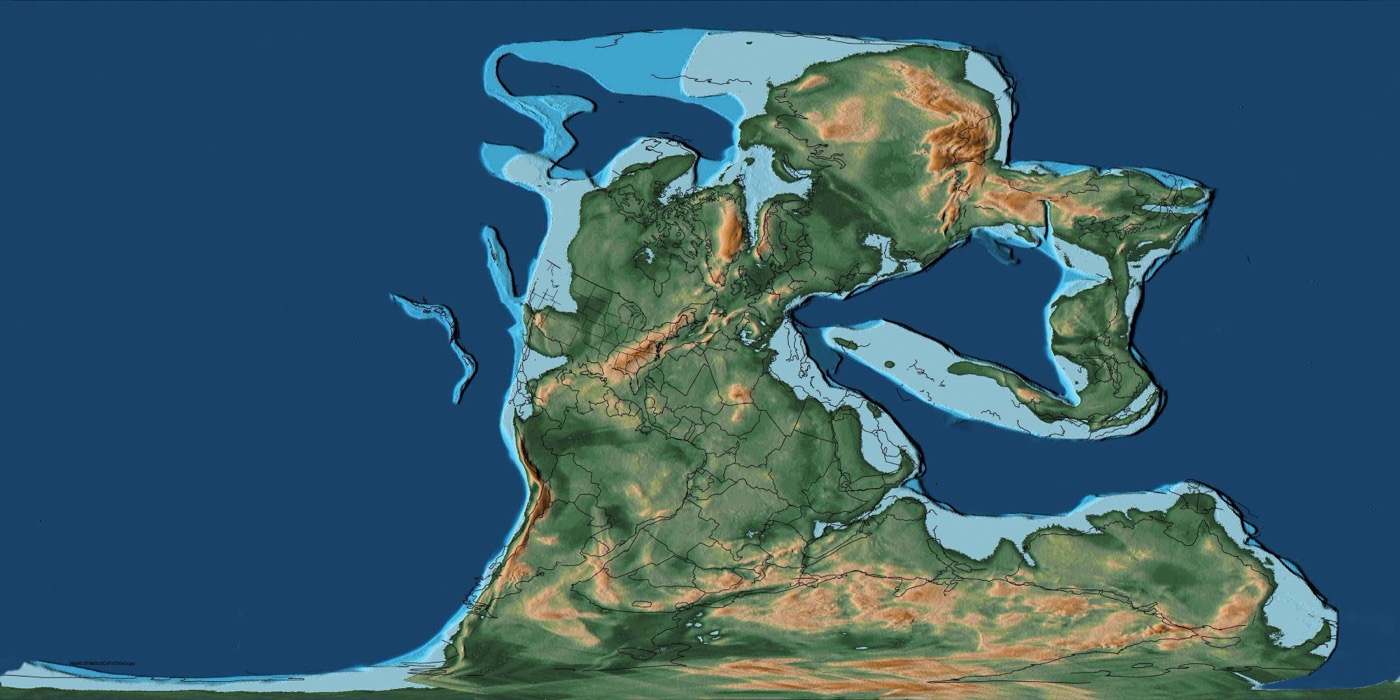
Silurian
443 – 419 MaRecovery from extinction. First vascular plants. First jawed fish. Coral reefs appear.
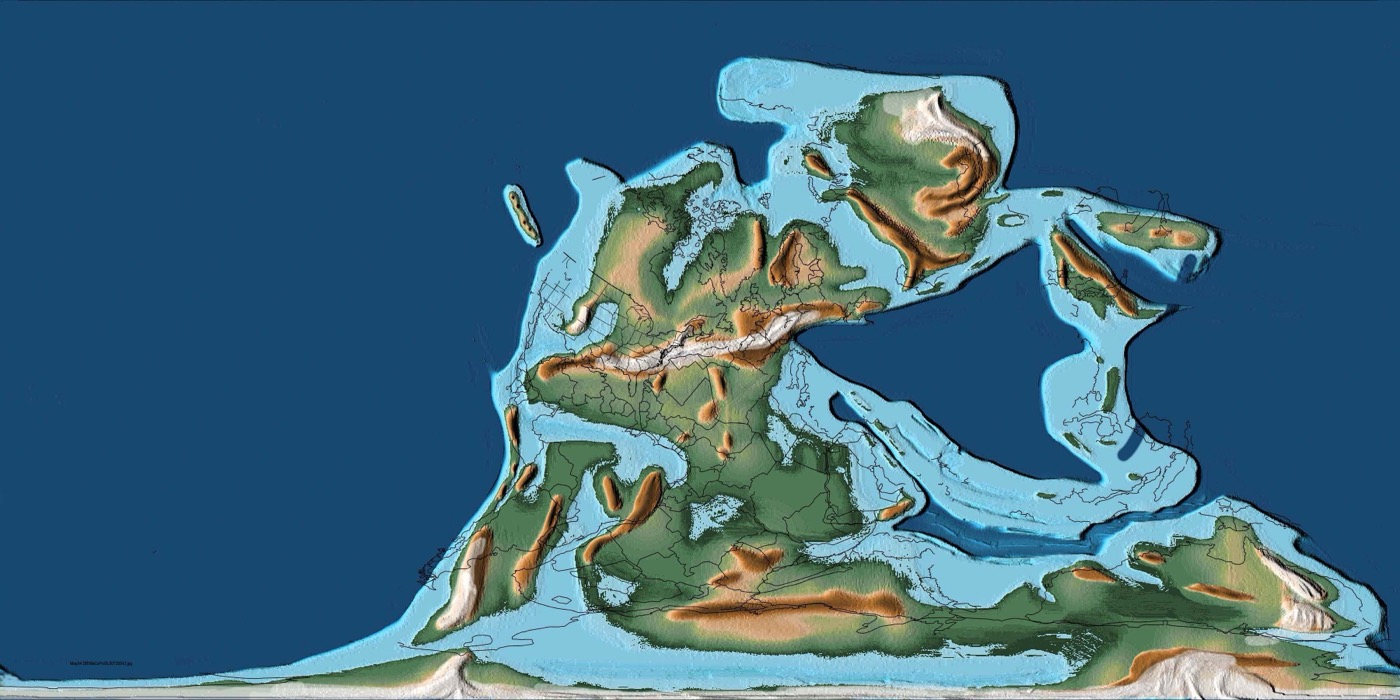
Ordovician
485 – 443 MaGreat Ordovician Biodiversification. First land plants. Ends in mass extinction — 85% lost.
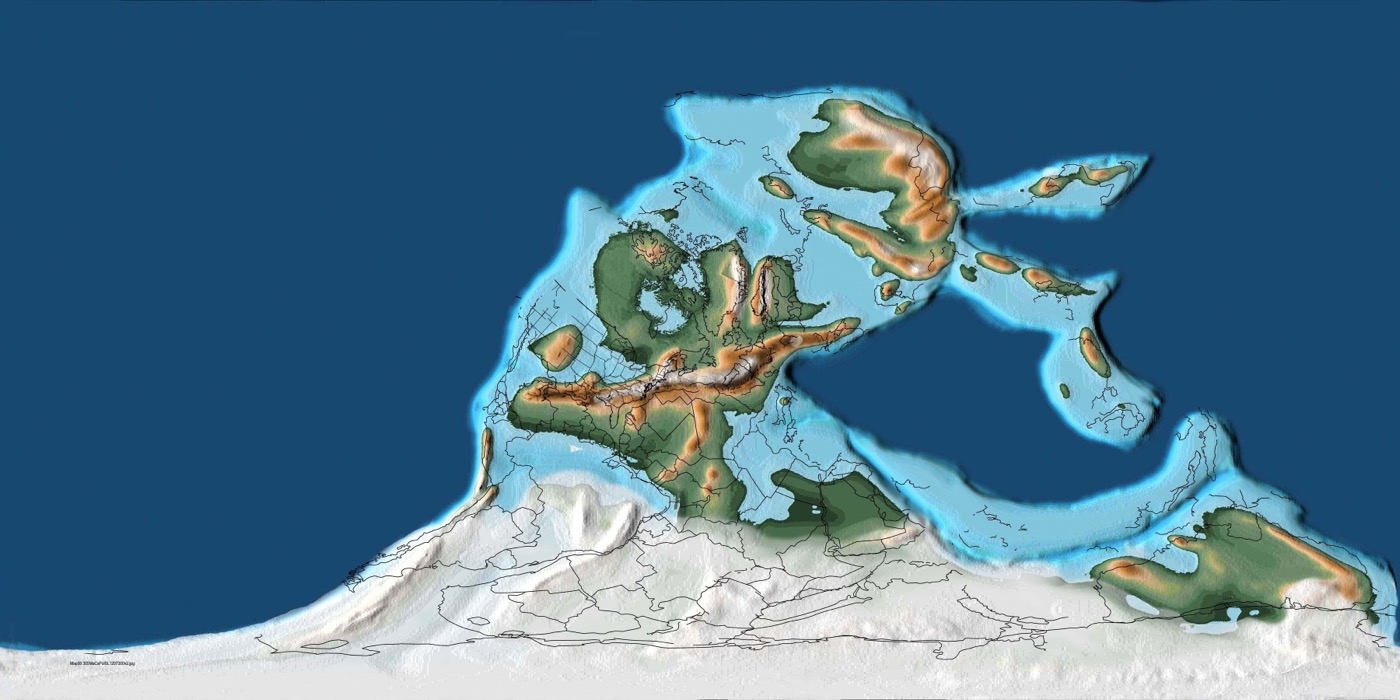
Cambrian
541 – 485 MaThe Cambrian Explosion. Every major animal body plan appears. Trilobites. First chordates.
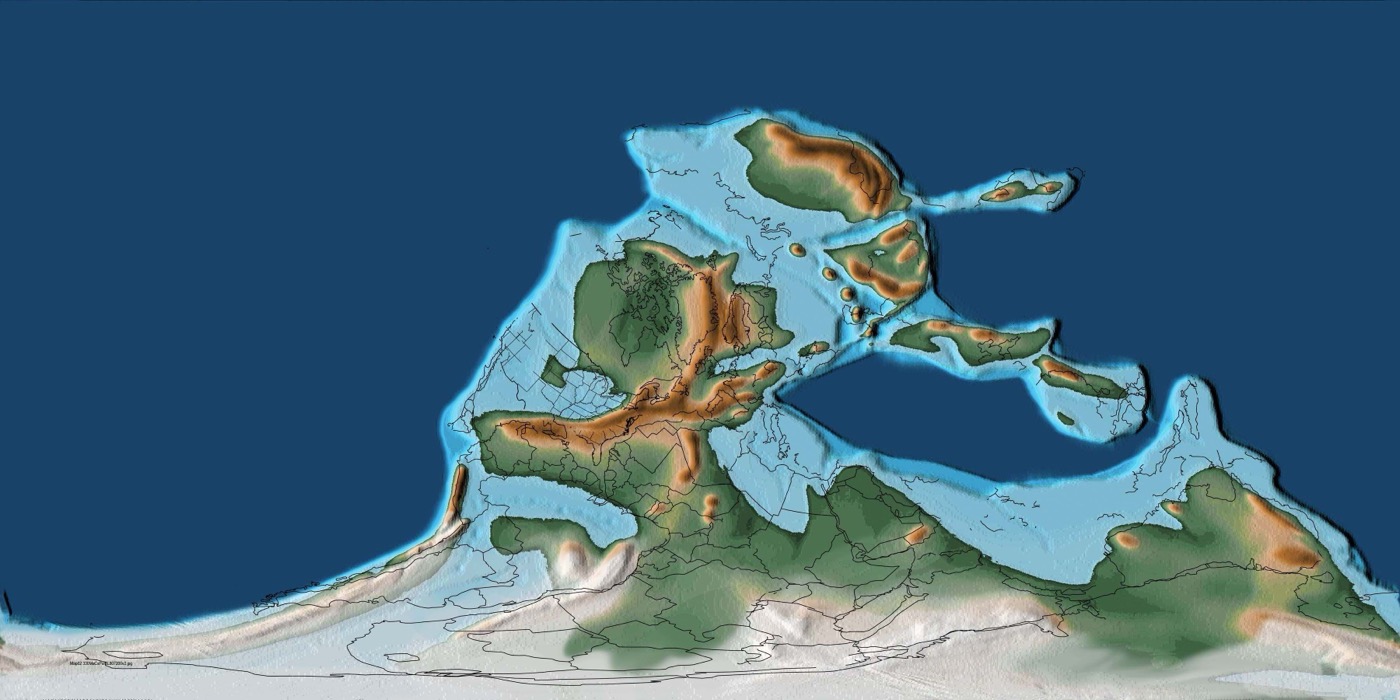
Ediacaran
635 – 541 MaThe Avalon explosion. First complex multicellular organisms — mysterious, alien life forms.
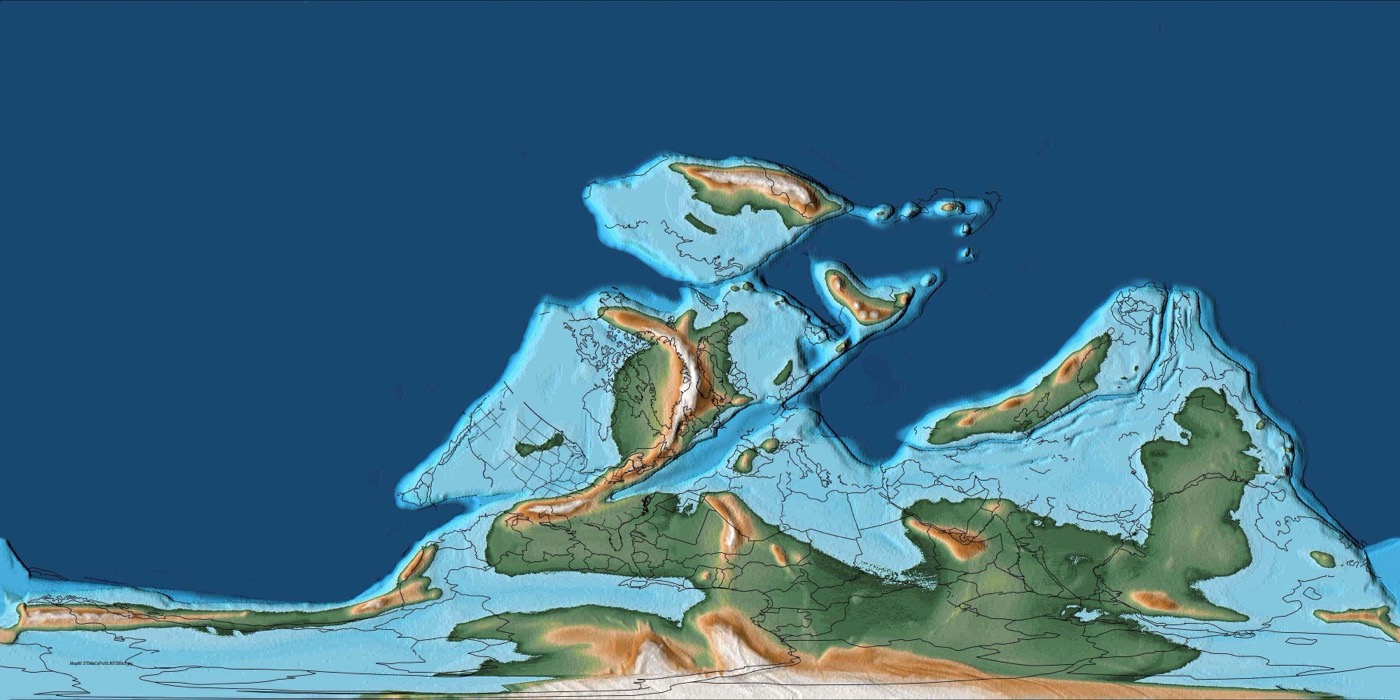
Cryogenian
720 – 635 MaSnowball Earth — twice. The entire planet encased in kilometres of ice. Life survives in liquid pockets.
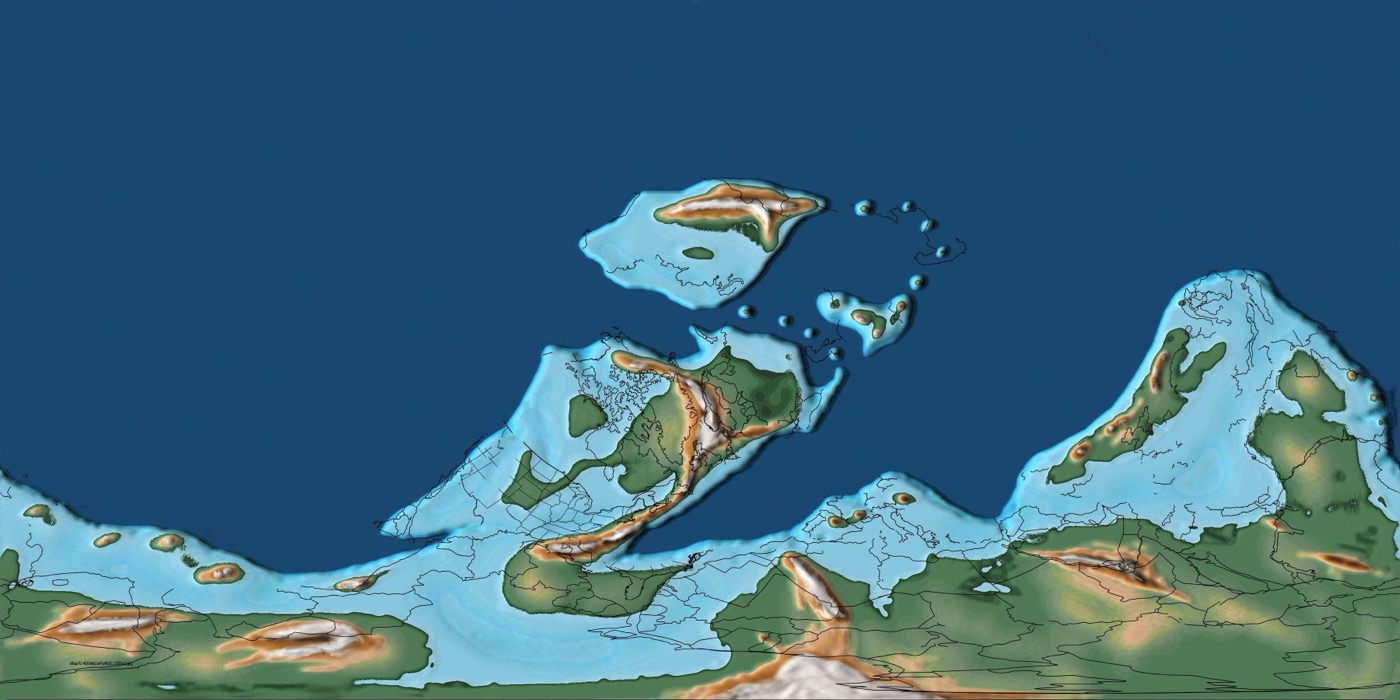
Tonian
1000 – 720 MaRodinia begins to rift. First multicellular life. The four elements separate.
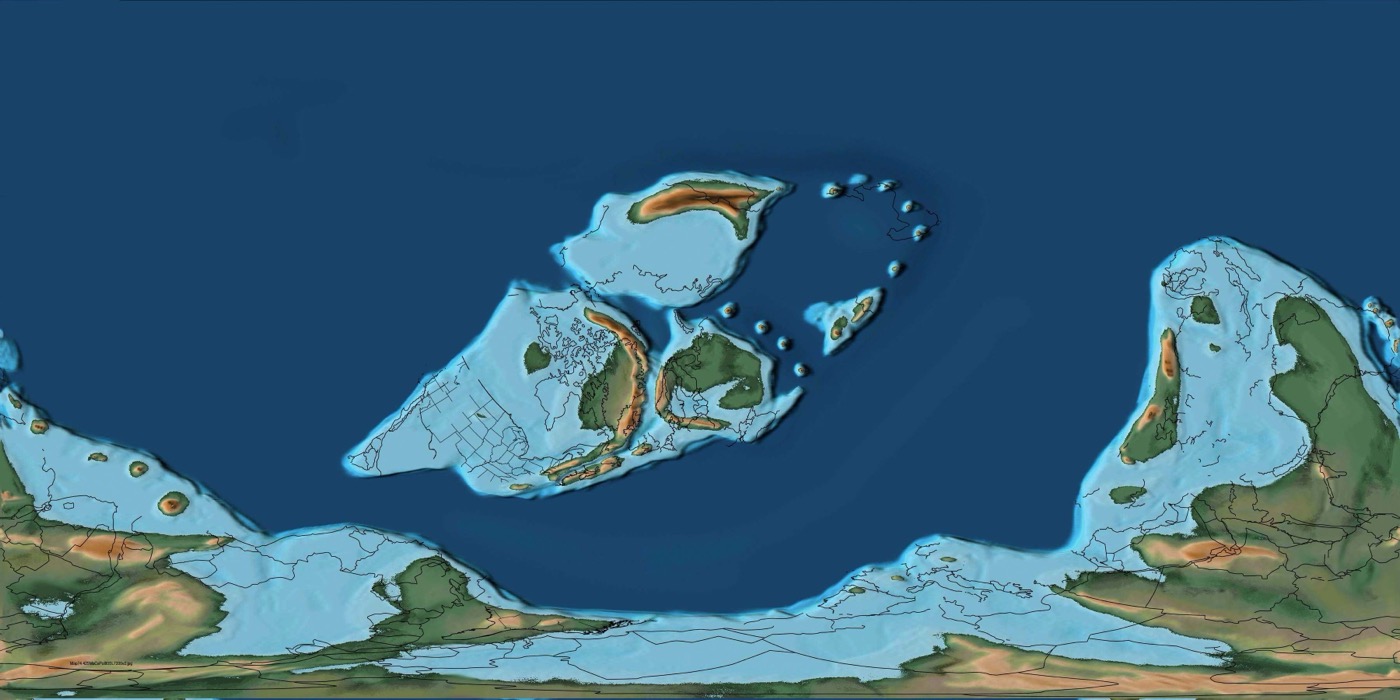
Mesoproterozoic
1600 – 1000 MaSupercontinent Rodinia assembles. Sexual reproduction emerges. Complexity accelerates.
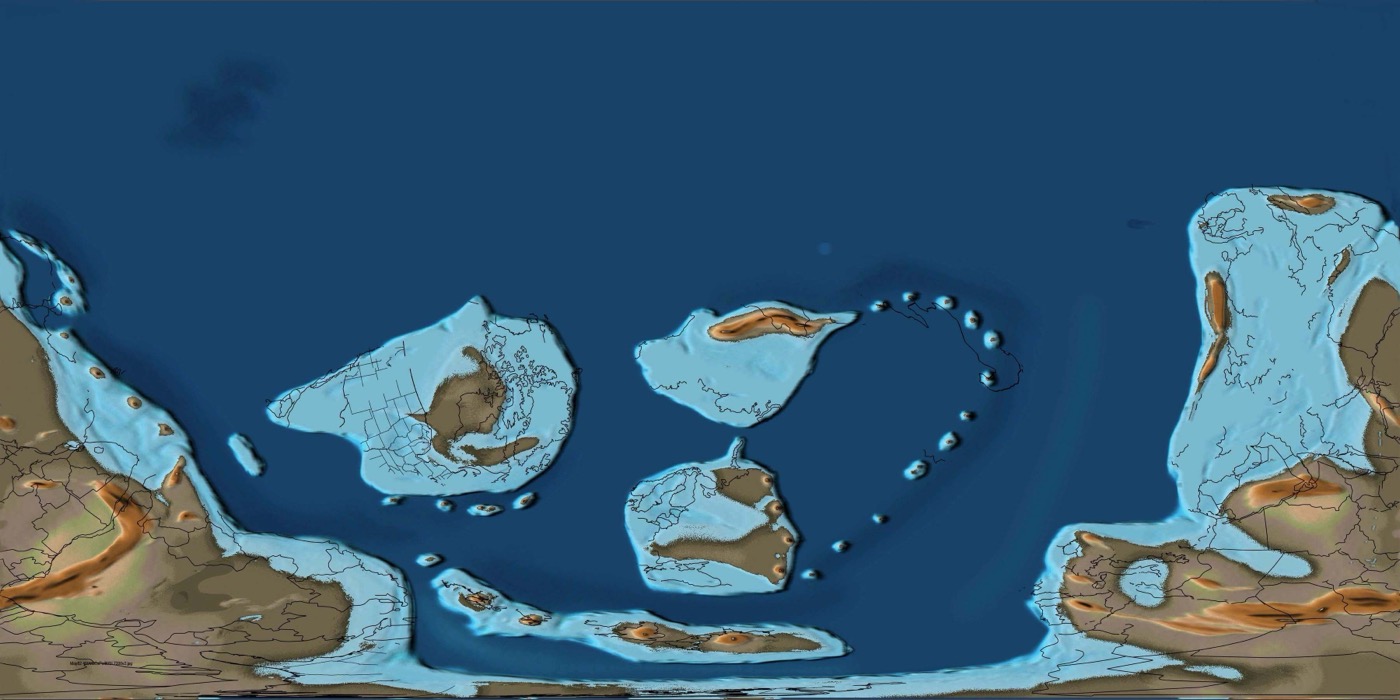
Paleoproterozoic
2500 – 1600 MaThe Great Oxygenation peaks. Huronian glaciation. First eukaryotic cells. Band 19 — exact measurement.
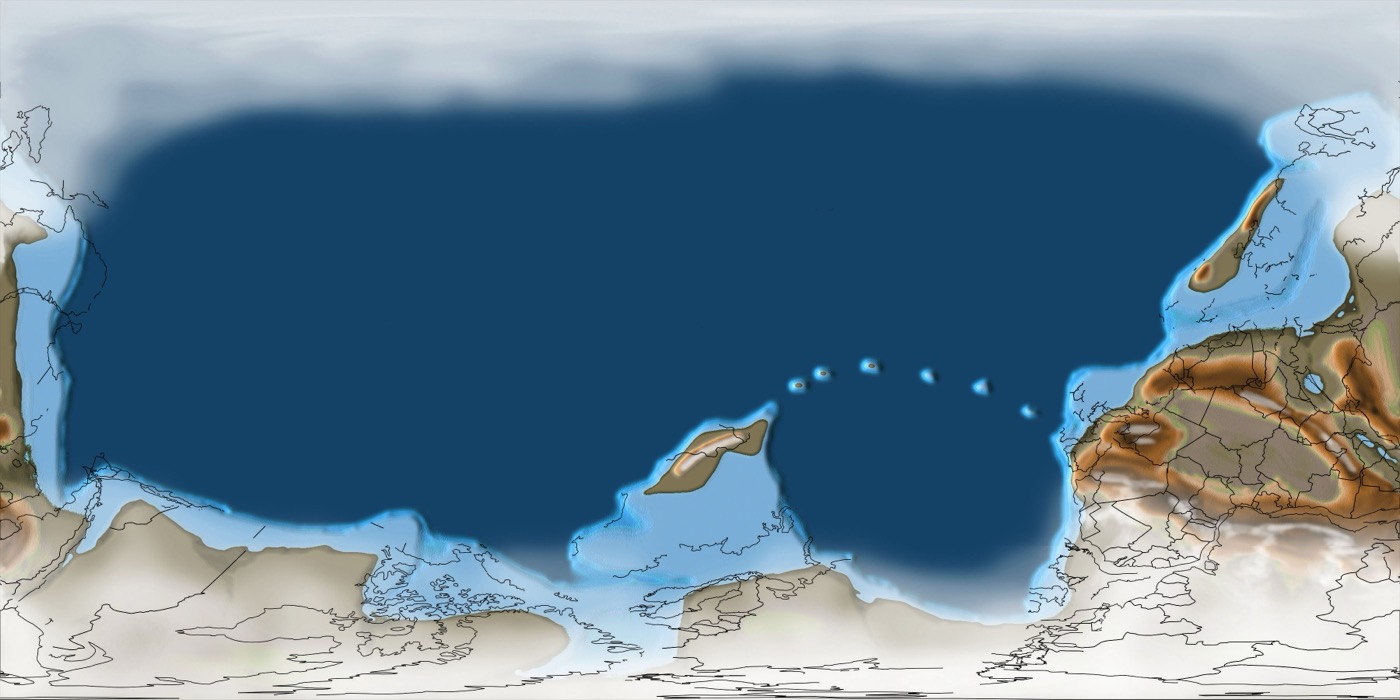
Neoarchean
2800 – 2500 MaCyanobacteria produce oxygen. Great Oxygenation Event begins — atmosphere rewritten by life.
Mesoarchean
3200 – 2800 MaFirst supercontinent Vaalbara. Plate tectonics begins. Maximum assembly.

Paleoarchean
3600 – 3200 MaFirst confirmed microbial life. Stromatolites begin building. Methane and ammonia atmosphere.
Eoarchean
4000 – 3600 MaFirst crust solidifies. Oceans condense. Earliest chemical signatures of life appear.

Hadean
4500 – 4000 MaFormation of Earth. Moon-forming impact. The planet is a ball of molten rock. No life. No water. Pure geological frequency.